The first time we got caught in a downpour in the Smokies, Junie was shivering so hard her teeth chattered through the tent walls. She was wearing her favorite cotton t-shirt and denim shorts because they were clean and dry when we packed the car. By midnight, that cotton was soaked, heavy, and cold, and I realized I’d made a rookie mistake that cost us comfort and nearly a cold. If you are wondering what to wear camping for beginners budget-wise, you aren’t just looking for clothes; you are looking for protection against the elements that doesn’t drain your grocery fund.
When you are a single mom stretching a dollar, every purchase has to pull double duty. We don’t have the luxury of buying high-end technical gear for every trip, but we also can’t afford to buy cheap junk that falls apart after one weekend. Over the years, I’ve learned that the right clothing system is actually cheaper in the long run because you aren’t replacing it every season. This guide is my honest verdict on how to dress the family for the outdoors without spending a fortune, focusing on layering, material choices, and where to actually find the deals.
The Cotton Trap: Why Your Wardrobe Needs an Update
If you take one thing away from this guide, let it be this: cotton is the enemy of the budget camper. I know, it sounds dramatic. But cotton absorbs moisture like a sponge. When it stays wet against your skin, it draws heat away from your body, making you feel colder than if you were wearing nothing at all. For kids, this is a recipe for crankiness and potential chills.
When Junie and Margo were younger, I thought cotton was fine because it was soft and cheap. But after that rainy night in the tent, I switched to synthetics and wool. You don’t need expensive brands to get this right. You just need to avoid the materials that hold water.
What to Wear Camping for Beginners Budget: The Layering System
You might see fancy diagrams online about “three-layer systems,” but for our family, it comes down to three simple questions: Is it warm? Is it dry? Can it move?
1. The Base Layer (The Wicking Layer) This is the shirt touching your skin. It needs to pull sweat away.
- Budget Pick: Synthetic blends (polyester).
- Why: They dry fast and are usually found in the clearance racks at big-box stores.
- Avoid: 100% cotton tees.
2. The Mid Layer (The Warmth Layer) This is what you put on when the sun goes down and the temperature drops.
- Budget Pick: Fleece.
- Why: Fleece is incredibly durable, washes easily, and keeps you warm even if it gets a little damp.
- Avoid: Heavy wool sweaters that itch (unless you have sensitive skin) or down jackets that lose warmth when wet.
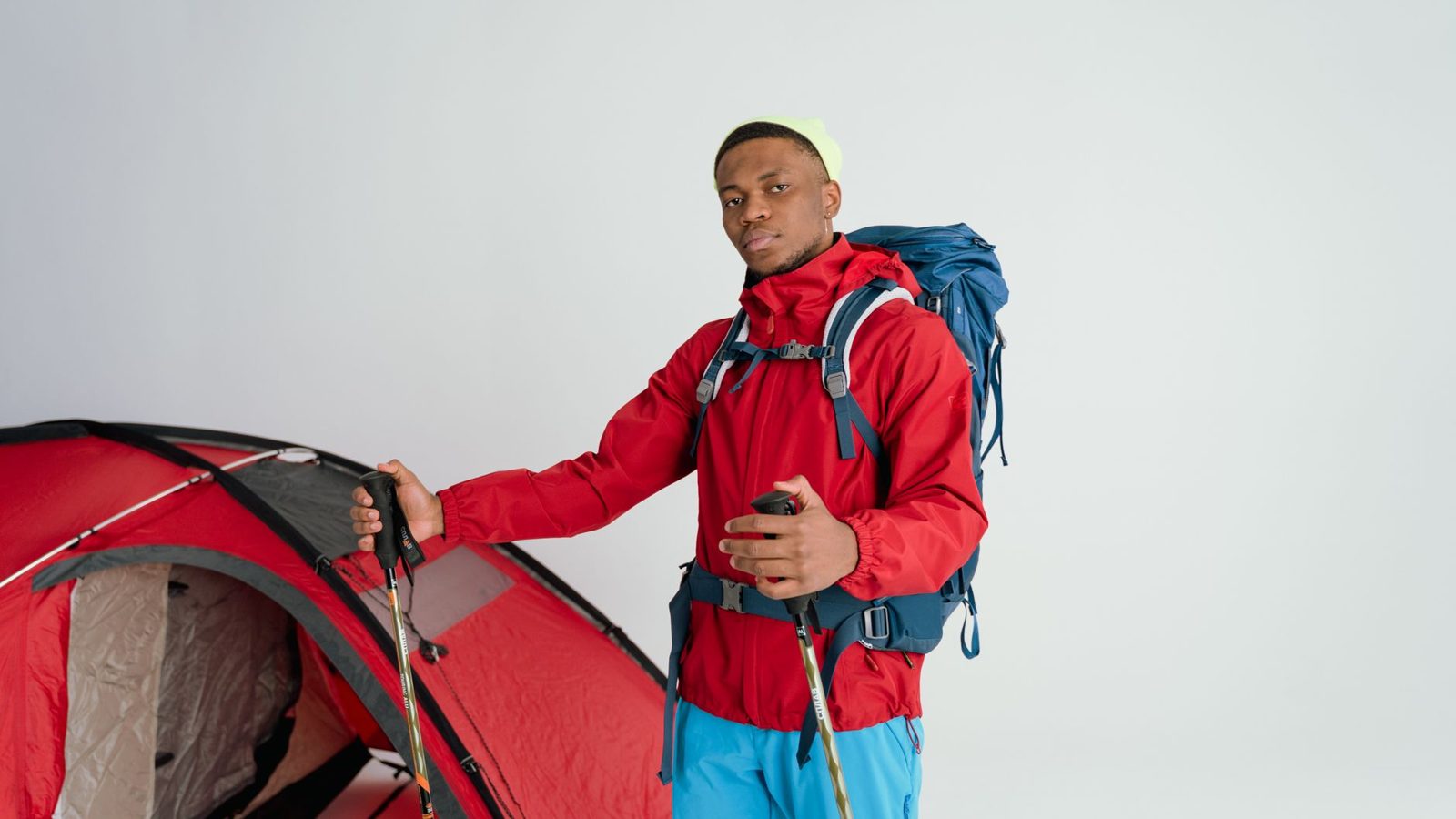
3. The Shell Layer (The Protection Layer) This is your rain jacket or windbreaker.
- Budget Pick: A simple rain poncho or a basic waterproof shell.
- Why: It stops the wind and rain from ruining your mid-layer.
- Avoid: Fashion raincoats that aren’t breathable (you’ll sweat inside).
- Wicks moisture
- Machine washable
- Can hold odor over time
- Not as warm as wool
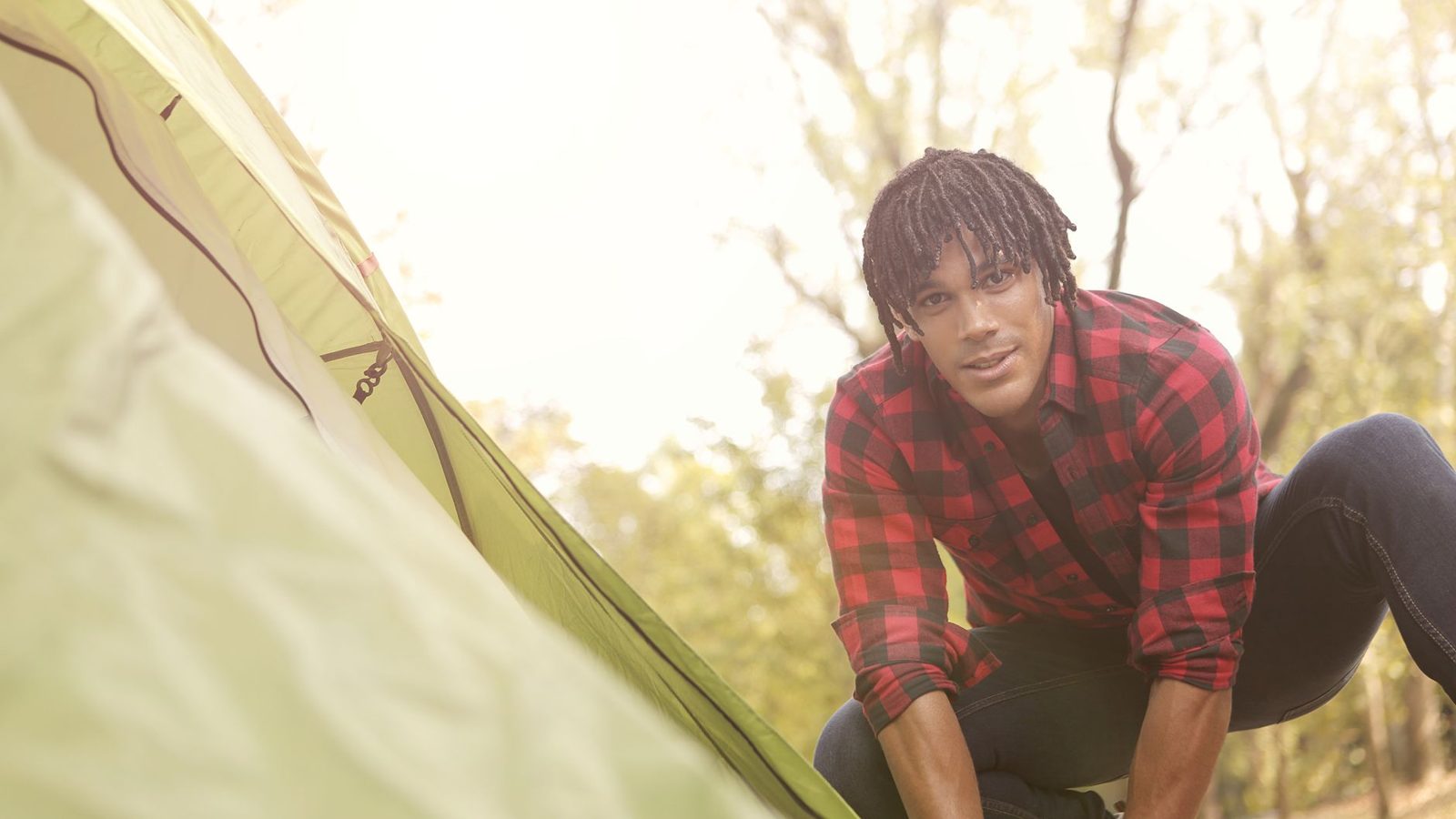 Photo: Andrea Piacquadio
Sourcing Gear Without Breaking the Bank
One of the biggest hurdles for beginners is thinking they need to go to a specialty outdoor store. While those places are great, the prices are often steep. Here is where I actually shop for the girls and myself.
Big-Box Clearance Racks
I never underestimate the power of end-of-season clearance for camping basics. Plenty of budget retailers carry synthetic base layers and fleece jackets that are shockingly durable. I’ve bought fleece jackets for Junie and Margo for under $20, and they have survived multiple seasons of mud, sticks, and campfire sparks. The trick is to buy them in the fall when stores are clearing out stock, or watch for markdowns online.
Target is similar, but I look specifically for their clearance section. Sometimes you can find outdoor gear that was marked down 50% because it was last season’s color. Who cares if it’s neon green instead of navy? It keeps you warm.
Thrift Stores and Goodwill
This is my secret weapon for wool. A high-quality wool sweater at a thrift store might cost $5, whereas a new one at an outdoor store is $60. Wool is naturally water-resistant and warm. I always check the labels. If it says 100% wool or a wool blend, it’s a winner. I wash them on a gentle cycle and lay them flat to dry, and they last forever.
The “Cost Per Wear” Math
When I look at a $40 rain jacket versus a $15 one, I do the math. If the $15 one tears after one trip, it cost $15 per wear. If the $40 one lasts five years, it’s pennies per wear. However, for kids, growth is a factor. If Junie is going to outgrow a jacket in six months, I don’t mind spending the $15. I save the $40 for the boots that need to last longer.
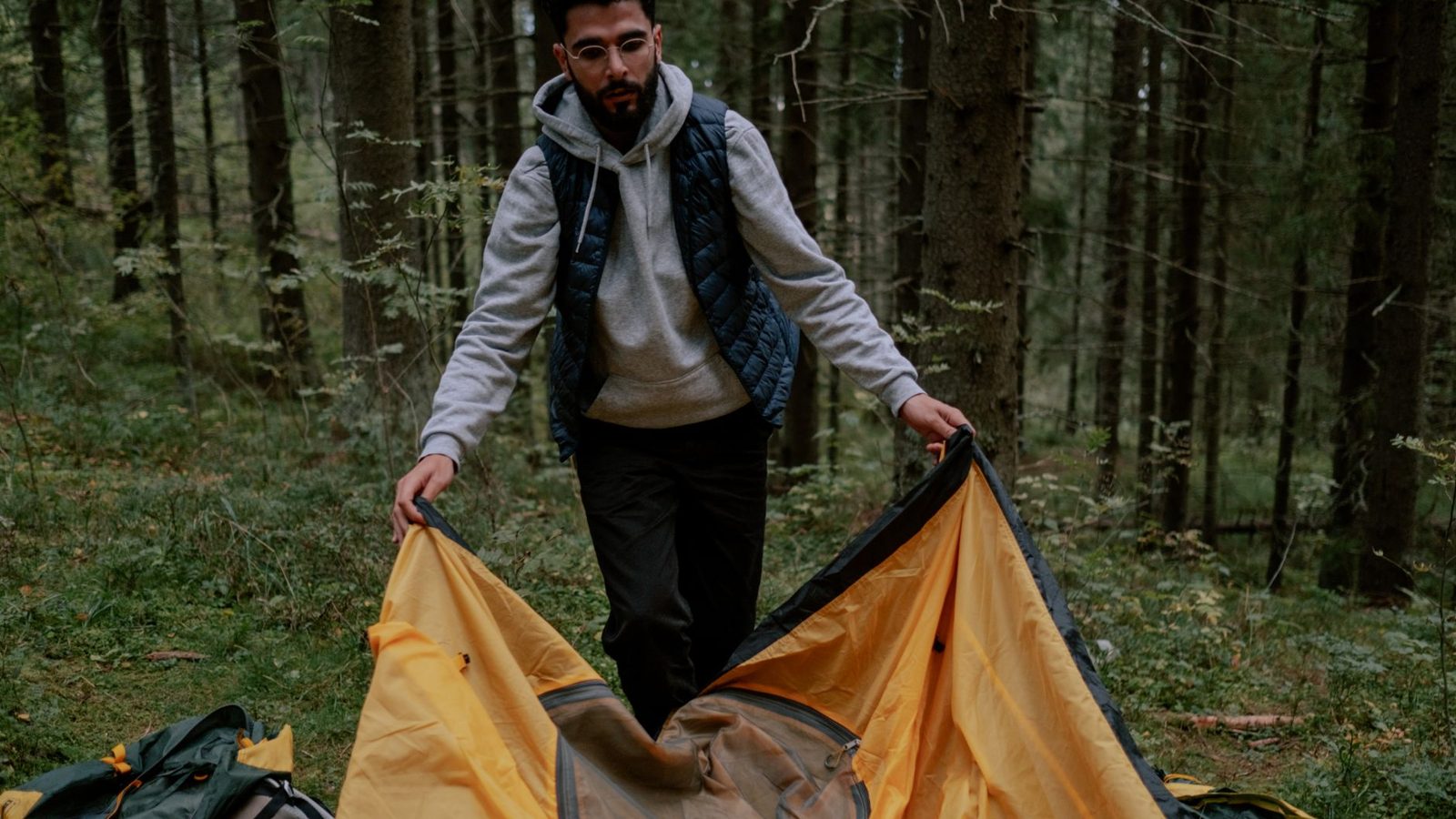 Photo: cottonbro studio
Footwear: The One Place to Spend a Little Extra
I will be honest: I used to let the girls wear their old sneakers to camp. It worked fine for sitting by the fire. But when we started hiking trails, I learned that wet feet equal blisters, and blisters equal a crying child.
You don’t need $150 hiking boots. You need shoes that fit well and have grip.
- Sneakers: Fine for flat campsites. Make sure they are closed-toe.
- Water Shoes: Great for creek crossings.
- Boots: Necessary for rocky trails.
When buying footwear, prioritize fit over brand. A $30 pair of boots that fits perfectly is better than a $100 pair that rubs. I always bring thick socks to the store when trying on shoes. Thick socks are cheap and protect against blisters.
- Water-resistant
- Good traction
- Break-in period required
- Heavy
Rain Gear Essentials: Ponchos vs. Jackets
Rain is inevitable, especially if you camp in places like Tennessee or the Pacific Northwest. You need a plan for when the sky opens up.
The Poncho Strategy For kids, I often reach for a poncho. They are cheap (often under $10), they cover the backpack too, and they are easy to throw on over layers. The downside is they can be flimsy in high wind. If you are camping in a windy spot, a poncho might flip inside out.
The Jacket Strategy A dedicated rain jacket is better for active hiking. It stays on better and doesn’t flap around. I look for jackets with sealed seams. If the seams aren’t sealed, water will leak through the stitching. You can check this by looking at the inside of the jacket for tape along the seams.
Budget Tip: You don’t need a “technical” rain shell. A basic waterproof windbreaker from a discount store works for 90% of camping scenarios. Save the money for the base layers.
What I’d Actually Buy: A Shopping List for the First Trip
If you are packing your car this weekend and need a concrete list, here is exactly what I would grab for a family of three on a tight budget.
- Base Layers: 2 synthetic shirts per person. Buy them in packs if possible.
- Mid Layers: 1 fleece jacket per person.
- Rain Gear: 1 poncho per person (cheaper and easier for kids).
- Socks: 3 pairs of synthetic or wool blend socks per person. Cotton socks get wet and stay wet.
- Footwear: Closed-toe shoes with good tread.
- Hat: A simple beanie for cold nights.
This list can be assembled for under $100 per person if you shop smart. It might not look like the gear on Instagram, but it will keep you warm, dry, and safe.
Common Mistakes to Avoid
Overpacking I used to think I needed an outfit for every day. Now, I know that layers are more versatile. You can wear the same base layer for two days if you air it out. Don’t fill the car with clothes you won’t wear.
Ignoring the Campfire Campfires are great, but sparks happen. If you are sitting close to the fire, wear long pants. Shorts are fine for the hike, but long pants protect your legs from sparks and bugs. Denim is actually good here because it’s thick, even if it’s not great for sleeping.
Forgetting the Morning Chill Mornings are colder than you think. Even in summer, the temperature drops at night. Always have a warm layer ready by the tent door before you unzip it. If you step out in just a t-shirt, you’ll regret it.
FAQ: Your Questions Answered
1. Can I wear jeans for camping? Yes, but not for sleeping or hiking in the rain. Jeans are heavy and take forever to dry. They are fine for sitting around the campfire or short walks on dry days. Just don’t make them your only pants.
2. What if it’s hot? Do I still need layers? Absolutely. Hot days can turn into cold nights quickly. A light synthetic shirt is still better than cotton because it wicks sweat. If you sweat in cotton, you get cold when the wind picks up.
3. How do I wash camping clothes? Treat them like normal clothes, but avoid fabric softener. Softener coats the fibers and reduces their ability to wick moisture. Just use regular detergent and air dry if possible.
4. Is wool too expensive for kids? Merino wool is pricey, but regular wool sweaters from thrift stores are not. For base layers, synthetic is the budget winner. Save the wool for mid-layers where you can find second-hand deals.
5. Do I need a specific camping shirt? No. A generic synthetic athletic shirt works perfectly. You don’t need a logo that says “Camping” to stay warm.
6. What about gloves and hats? Gloves are often unnecessary unless it’s freezing. A beanie is essential. You lose a lot of heat through your head, and a $5 knit hat makes a huge difference.
Final Thoughts from Penny
Camping is about being outside, not about having the perfect gear. I’ve seen families with $2,000 tents shivering because they wore cotton, and I’ve seen families in discount store clothes having the time of their lives because they understood layering.
The goal isn’t to look like a gearhead; it’s to be comfortable enough to enjoy the fire, the stars, and the time with your kids. When you know what to wear camping for beginners budget-wise, you stop worrying about the weather and start enjoying the moment.
Start small. Grab a few synthetic shirts and a fleece. Test them out on a weekend trip close to home. See how the girls handle the layers. Adjust from there. You don’t need to buy everything at once. The outdoors will be there waiting for you.
Safe travels, and keep the fire burning.
— Penny