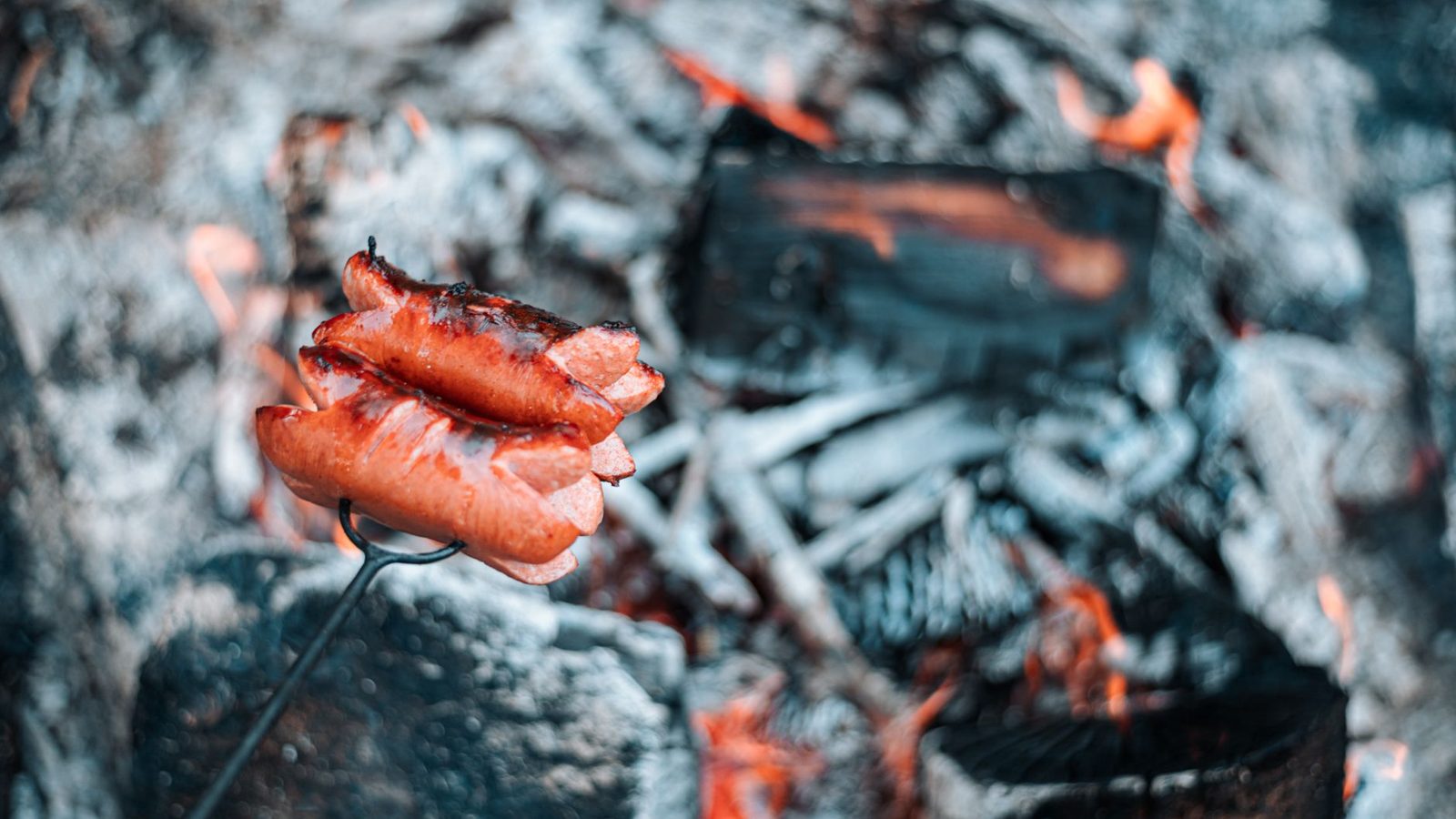
I remember the moment the math stopped making sense. We were parked at a state park in Arkansas, and I was staring at the receipt from the gas station convenience store. I had bought three pre-packaged “camping meals” and a bag of chips for the girls, and it cost more than a full week of groceries back home in Chattanooga. That was the day I realized that if we wanted to keep seeing the country without breaking my single income, I needed to stop treating the campsite like a restaurant and start treating it like a kitchen.
If you are trying to figure out how to grocery shop cheap for camping meals, you aren’t alone. Most families think camping is cheaper than hotels until they realize how much they spend on food. I’ve spent the last five years refining a system that lets Junie and Margo eat well, stay full, and keep us under budget. It isn’t about eating ramen every night; it’s about strategy, bulk buying, and knowing exactly where the money leaks out.
The Hidden Cost of Convenience
When I first started taking the girls camping after my divorce, I made the mistake of thinking convenience was king. I bought those foil pouches that you just add hot water to. They seemed easy. No cooking, no cleanup, no mess. But when I did the math later, those pouches were costing me about $8 to $12 per serving. For a family of three, that’s nearly $40 a night just for dinner.
On a tight budget, that adds up faster than you think. A weekend trip could eat up half my grocery budget for the month. The girls didn’t even like them that much. Junie complained about the texture, and Margo wanted something that felt like “real food.”
The truth is, convenience costs money. When you buy pre-measured, pre-packaged camping food, you are paying for the packaging and the marketing, not just the ingredients. To save 40% or more, you have to be willing to do a little bit of work at home. It’s about shifting the labor from the campsite to your kitchen counter.
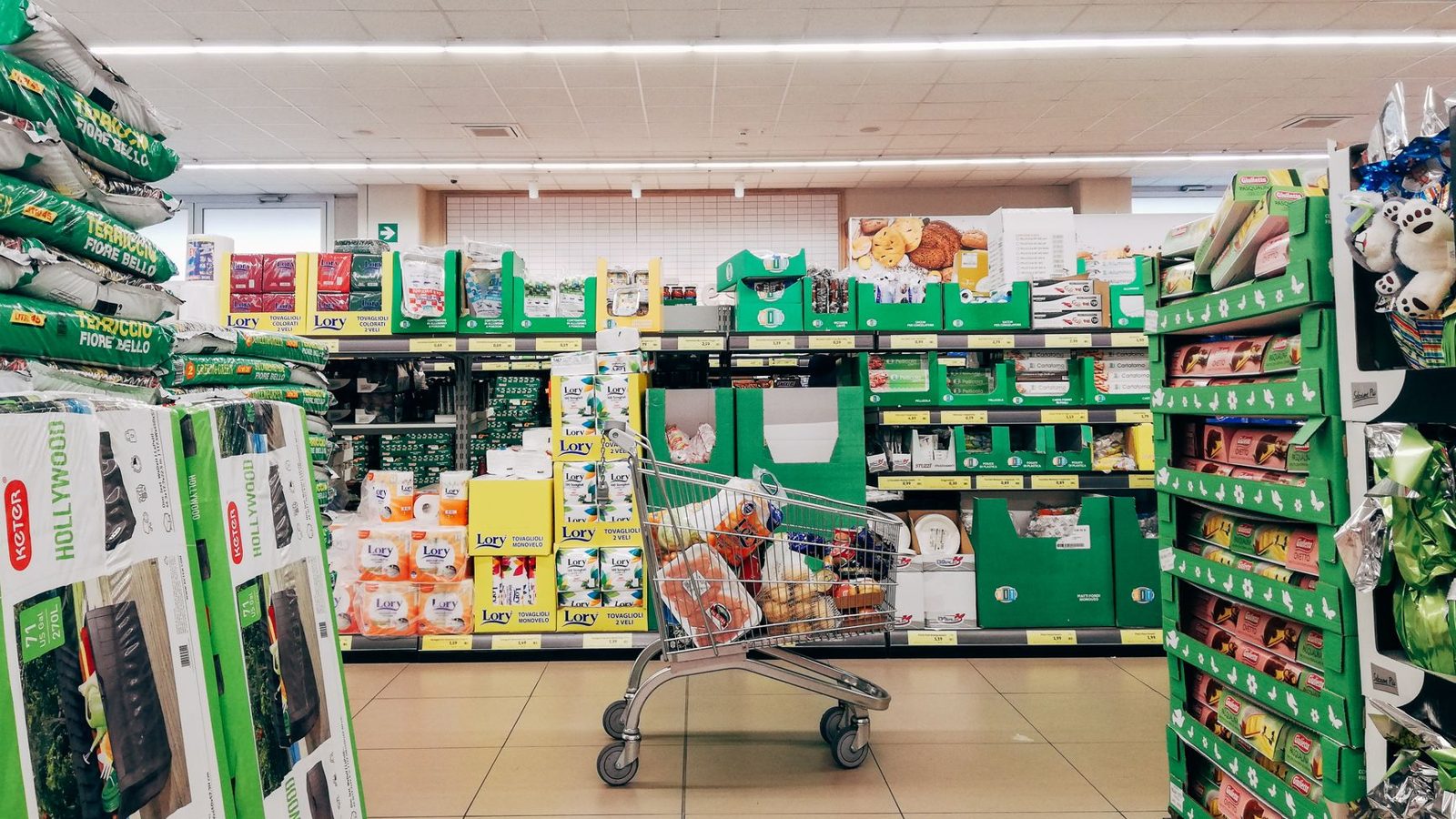 Photo: Christian Naccarato
The Golden Rule: Plan Before You Shop
The biggest mistake I see families make is driving to the store without a list. You walk in, see the coolers full of fresh meat, and you buy it because it looks good. Then you get to the campsite, the cooler leaks, or you don’t have the right spices to make it taste good, and you end up ordering pizza.
How to grocery shop cheap for camping meals starts with the menu, not the cart. I plan every meal before I leave the house. I write it down on a piece of paper. Breakfast, lunch, dinner, and snacks. Once the menu is set, I look at what I already have in my pantry at home.
If I have rice at home, I don’t buy rice at the store. If I have spices, I don’t buy seasoning packets. This simple step cuts the bill immediately. I also plan for leftovers. If we make a big pot of chili on Friday night, Saturday lunch is chili sandwiches. It saves time and money.
The Shopping List Template
I keep a running list on my phone. When I run out of something at home, I add it to the list. When I’m ready to shop for a trip, I copy that list and adjust it for the camping menu. This prevents impulse buys. When you are tired and standing in the aisle, it is easy to grab the fancy granola bars. When you have a list, you grab the generic oats.
 Photo: Markus Winkler
Where to Shop Matters
Not all grocery stores are created equal when it comes to budget camping. I used to shop at the big chain supermarkets near my house because they were convenient. But the prices were high. Now, I hunt for discount grocers.
In Chattanooga, we have places like Aldi and WinCo. These stores focus on high volume and low overhead. They don’t have fancy displays or hundreds of brand names. They have one brand of pasta, and it’s cheap.
Discount Stores vs. Big Chains
| Store Type | Pros | Cons |
|---|---|---|
| Discount Grocers | Lower prices on staples, bulk options | Limited selection, fewer brands |
| Big Chains | One-stop shop, loyalty points | Higher prices, more impulse items |
| Gas Stations | Convenient, open late | High prices, limited fresh food |
I try to do 80% of my shopping at the discount grocer. I only go to the big chain for things they don’t carry, like specific fresh produce or specialty items. The savings on the staples—flour, sugar, oil, canned goods—add up to hundreds of dollars a year.
What to Buy: The Budget Staples
When I am building my camping menu, I focus on non-perishable items that are nutrient-dense and cheap. These are the items that survive a weekend in a hot car without spoiling.
Oats and Grains
Oats are the ultimate budget food. You can buy a giant container of generic oats for $5. That lasts us for weeks. I pack them in a reusable container. For breakfast, we boil water, add oats, and maybe a dried apple slice. It’s hot, filling, and costs pennies per serving.
Rice and pasta are the same. A 2-pound bag of pasta costs about $1.50 at a discount store. That can feed us for three dinners if we stretch it with veggies and beans.
Canned Proteins
Fresh meat is expensive and requires a good cooler. Canned proteins are the budget alternative. Canned tuna, chicken, and beans are staples in my trunk. I buy the store brand. The taste is the same, but the price is half.
I also buy dried beans. They are cheaper than canned, but they take longer to cook. If I have a camp stove with good heat, I soak them the night before. If I’m in a rush, I stick to canned.
Frozen Veggies
This is a trick I learned early on. Frozen vegetables are often cheaper than fresh, and they don’t spoil as fast. I buy bags of frozen mixed veggies. They last longer in the cooler than fresh broccoli. Plus, they are pre-chopped. When you are camping, you don’t want to spend 20 minutes chopping onions.
Gear That Saves Money
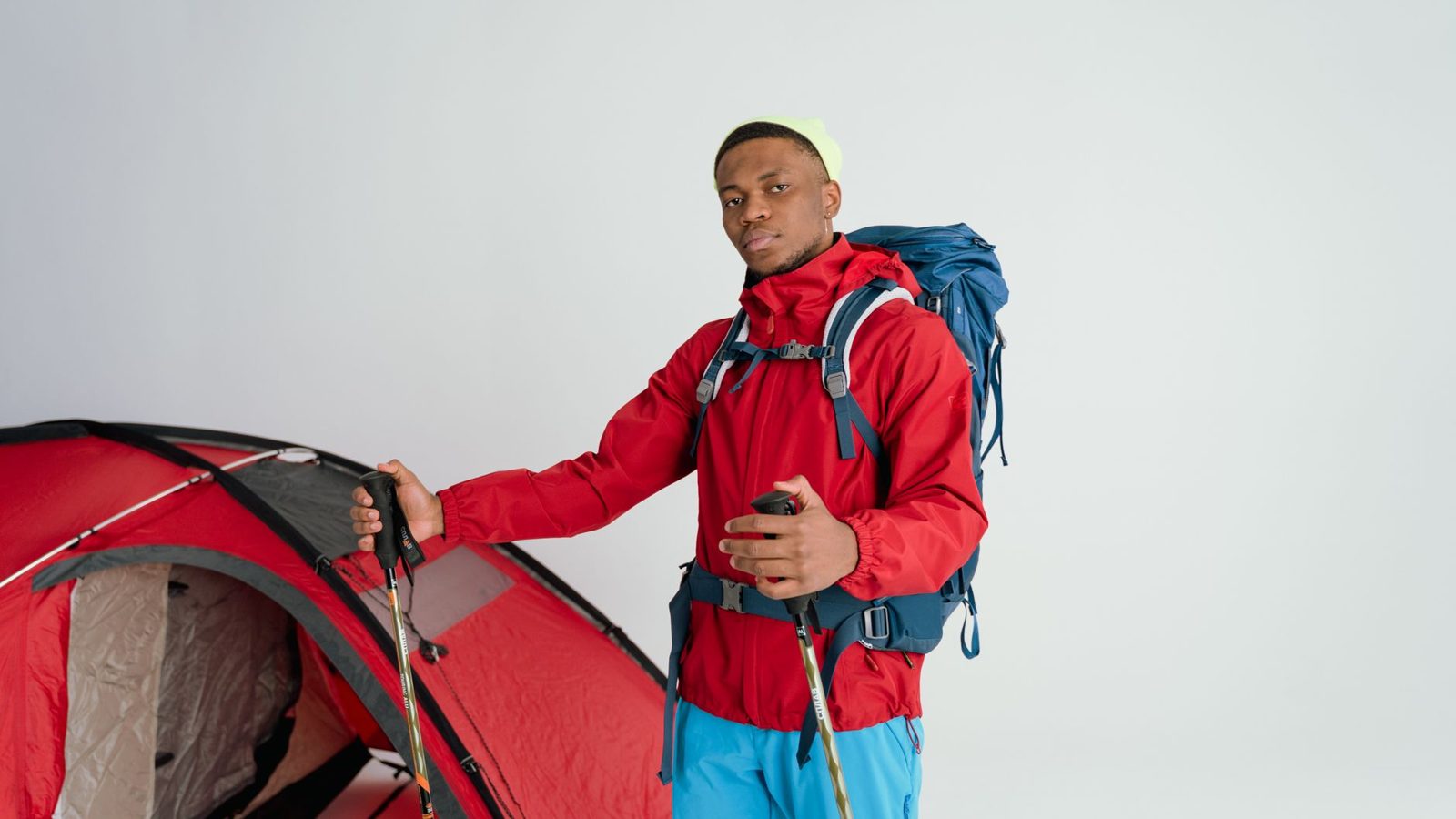
Sometimes, the cheapest gear isn’t the best value. If a $10 pot breaks on the first trip, you’ve wasted $10. If a $30 pot lasts five years, you’ve saved money. I’ve learned to spend a little extra on the things that see heavy use.
Here are the few pieces of gear that actually help keep the food budget down by making cooking easier and more efficient.
- Lightweight
- Burns propane efficiently
- Wind can be an issue
- Plastic knobs
A reliable stove is key. If your stove burns fuel inefficiently, you end up buying more propane canisters. I use a basic two-burner propane stove. It’s sturdy, and the parts are easy to find if something breaks.
- Non-stick coating
- Easy to clean
- Heavier than titanium
- Takes up space
I used to buy the flimsy aluminum pots that dent if you look at them wrong. Now I have a set that is heavy but durable. It distributes heat evenly, so my food cooks faster. Faster cooking means less fuel used.
- Holds ice for 3+ days
- Durable plastic
- Heavier than soft coolers
- Takes up trunk space
A good cooler is an investment. If your ice melts in 24 hours, your fresh food spoils. If your food spoils, you have to buy more. This cooler keeps ice for days, meaning I can buy fresh meat once for the whole trip instead of stopping at a store every day.
What to Skip: The False Economy
There are a few things that look cheap but end up costing you more. I call these false economies.
Pre-Made Spice Packs
Those little foil packets of taco seasoning or soup mix? They cost $2 each. A big jar of taco seasoning at home costs $4 and lasts for 10 meals. Bring your own spices in small containers. It saves space and money.
Single-Serve Snacks
Individual bags of chips or crackers are convenient, but they are expensive per ounce. I buy a big bag of chips and portion them into reusable bags at home. It’s the same snack, but it costs half as much.
Bottled Water
This is the biggest money waster. I see families buying cases of water bottles at the gas station. If you have a water filter or a way to boil water, bring a large jug. If you are at a campsite with a spigot, fill up your bottles there. It’s free.
Managing Waste and Leftovers
Waste is the enemy of the budget. If you throw away food, you are throwing away money. I plan my meals so that ingredients overlap. If I buy a bag of onions, I use them in breakfast, lunch, and dinner.
The Cooler Strategy
I pack my cooler strategically. I freeze water bottles the night before. They act as ice packs and then turn into drinking water as they melt. This reduces the amount of ice I need to buy. I also pack the cooler full. A full cooler stays cold longer than an empty one. If there is space, I fill it with extra water jugs.
Leftover Management
I never throw away leftovers. If we have extra rice, it becomes fried rice the next day. If we have extra chicken, it goes into a quesadilla. I teach the girls to appreciate this. It’s not “leftovers”; it’s “planned efficiency.”
What I’d Actually Buy: A Weekend List
To make this concrete, here is exactly what I buy for a weekend trip with Junie and Margo. This list is designed to feed us three people for two days and one night.
- Breakfast: Oats (bulk), dried fruit, milk powder.
- Lunch: Peanut butter, bread, bananas, canned tuna.
- Dinner: Pasta, jarred sauce, canned beans, frozen veggies.
- Snacks: Popcorn kernels (pop at camp), apples, granola bars (homemade).
Total Estimated Cost: $35.00 Cost Per Person Per Day: $5.83
Compare that to the $40+ I used to spend on convenience meals. That is a 40% to 60% savings. And the food tastes better.
Cooking at the Campsite vs. Home Prep
I do as much prep at home as possible. I chop the veggies and put them in a container. I mix the dry ingredients for pancakes in a bag. This reduces the time I spend cooking at the campsite. When you are camping, time is valuable. If you spend 45 minutes chopping onions, you have less time to hike or play.
However, I leave the cooking for the campsite. It’s part of the experience. The girls love helping stir the pot. It makes them feel involved. But the prep work? That happens in my kitchen in Chattanooga.
Safety and Hygiene on a Budget
When you are saving money, you don’t want to cut corners on safety. Washing hands is crucial. I bring a large jug of water and a small bottle of soap. I don’t rely on the campsite sink if it’s far away.
I also bring a dedicated cutting board. It’s cheap plastic, but it keeps the raw meat separate from the veggies. Cross-contamination is the fastest way to ruin a trip with a stomach bug. A stomach bug means a trip to the pharmacy, which means more money.
The Mental Shift
Finally, saving money on camping food is a mental shift. It’s about valuing the experience over the convenience. When I see the girls eating a meal we made together, sitting by the fire, I know the $35 grocery bill was worth it. It wasn’t just about the calories; it was about the memory.
If you are new to this, start small. Try one trip where you bring everything from home. See how much you save. You might be surprised. The more you do it, the better you get at it. You’ll learn which foods the girls like, which gear holds up, and how to stretch a dollar further.
FAQ
Q: How do I keep food cold without a big cooler? A: Freeze water bottles the night before. They act as ice blocks and melt into drinking water. Pack the cooler tight to minimize air space.
Q: Can I use a camp stove for regular cooking? A: Yes, but make sure you have the right fuel. Propane is easy to find. Butane is lighter but struggles in cold weather.
Q: What is the cheapest protein for camping? A: Canned beans and tuna are the cheapest. Eggs are also good if you have a cooler.
Q: How do I avoid food waste? A: Plan your menu so ingredients overlap. Use leftovers for the next meal. Freeze water bottles to reduce ice melt.
Q: Is it worth buying a filter for water? A: Yes, if you are at a site with a spigot. It saves money on bottled water and reduces plastic waste.
Q: How do I handle trash on a budget? A: Bring heavy-duty trash bags. They are cheap and prevent leaks. Compress trash to save space.
A Note from Penny
Camping is supposed to be an escape, not a financial burden. When I started this journey, I thought I had to choose between a nice trip and a tight budget. I learned that I could have both, as long as I was willing to do the work at home.
The girls are older now, and they know the routine. They help pack the cooler. They help make the list. It’s become a family tradition. We don’t spend a fortune, but we spend time. And that is the best currency we have.
If you are reading this and feeling overwhelmed, just start with the list. Write down what you want to eat. Go to the discount store. Buy the generic oats. You’ve got this.
See you at the campsite,
Penny