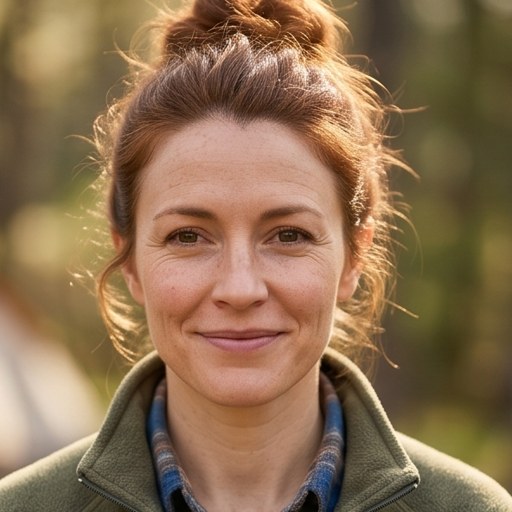
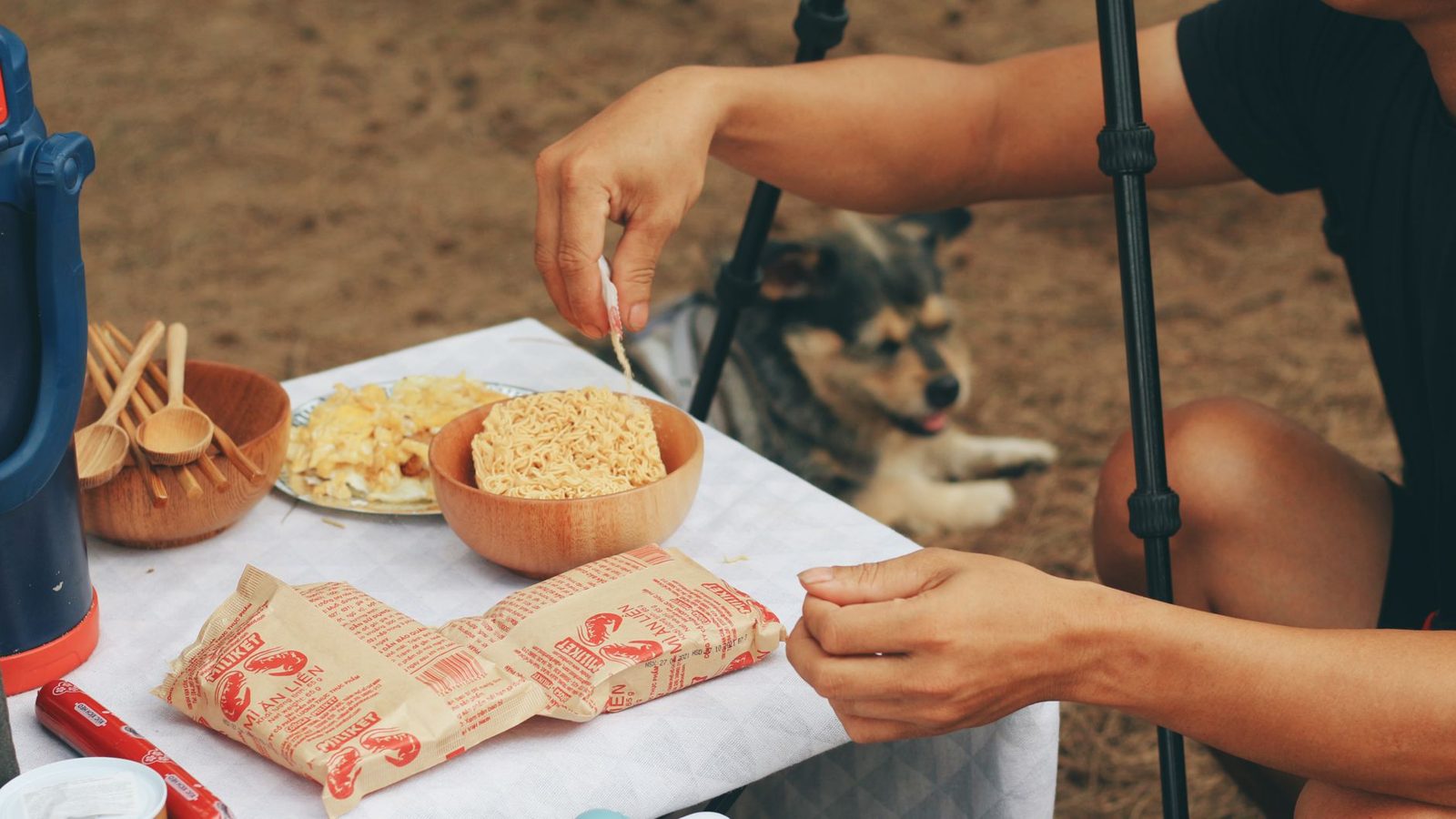
The smell of coffee is the first thing I notice when I wake up in a tent, but the second thing is usually Junie asking, “Mom, what’s for breakfast?” before I’ve even unzipped the fly. In the past, that question used to send a spike of panic through my chest. I’d look at my wallet, then at the girls, and realize a box of pancakes at the gas station would eat up half our grocery budget for the week. But after years of scraping together trips from Chattanooga to the Smokies and beyond, I’ve learned that feeding us well doesn’t require a luxury budget. It just requires a plan.
The Single Mom Math of Camping Food
When you’re managing a household on one income, every dollar spent on food is a dollar not spent on gas or a new tent pole. I used to buy those pre-packaged “camping breakfast” kits at the outdoor store, thinking they were convenient. They were convenient, sure, until I realized I was paying $8 for a packet of dehydrated eggs and a waffle mix that tasted like cardboard. That’s where the real money goes—convenience fees disguised as outdoor gear.
The goal here is simple: easy camping breakfast recipes cheap enough that you don’t feel guilty buying them, but hearty enough that the girls don’t crash by 10 AM. We are looking at a hard cap of $3 per person, per meal. That includes the coffee, the bread, the eggs, everything. It sounds tight, but it’s doable if you stop buying “camping food” and start buying “grocery food” that happens to be cooked outside.
Gear That Actually Saves Money
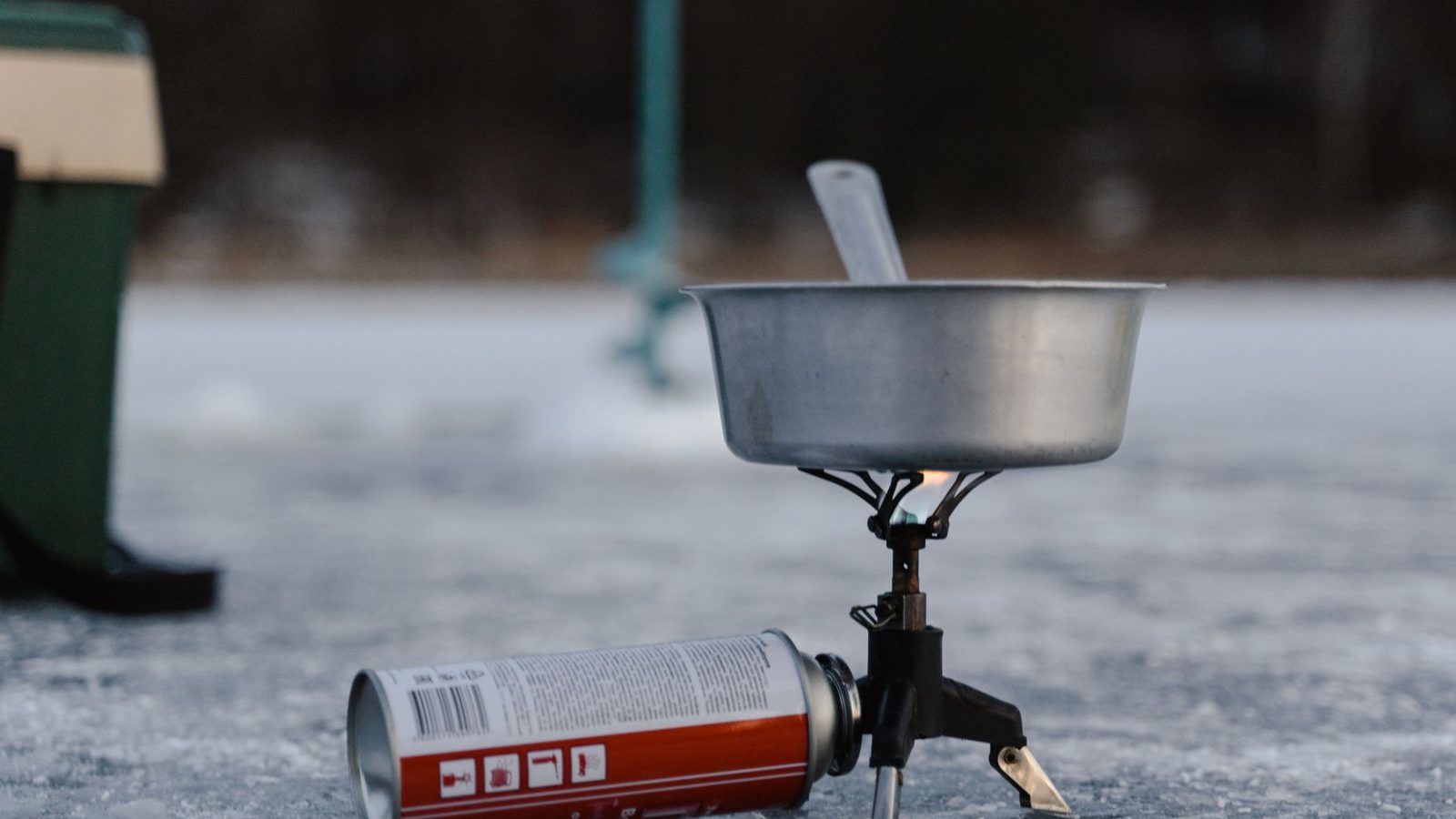
Before we get to the food, we need to talk about the tools. I know the temptation is to buy the cheapest stove you can find, but trust me, a flimsy burner that sputters out in the wind wastes more gas than a reliable one. If you’re going to cook eggs, you need heat control. I also learned the hard way that a cheap cooler melts ice in a day, meaning your eggs spoil before you even get to breakfast.
- Wind resistant
- Lightweight
- Small pot support
For the cooler, I don’t need a $200 Yeti, but I do need something that holds ice for three days. I found a solid budget option that keeps things cold without the premium price tag. It’s not fancy, but it keeps the milk from souring, which is the real win.
- Good ice retention
- Durable
- Heavier than soft coolers
1. The “Big Batch” Oatmeal Hack
This is the backbone of our camping breakfasts. I buy the giant canister of plain rolled oats from the bulk bin at the grocery store. It costs pennies per serving compared to the individual packets. The trick is to add flavor without the sugar spike.
I bring a small bag of dried fruit (raisins or cranberries) and a jar of peanut butter. When we wake up, I boil water in my pot, dump in the oats, and let them sit for five minutes while I brew coffee. Then I stir in a spoonful of peanut butter and a handful of fruit. The peanut butter adds protein so they stay full, and the fruit adds the sweetness they crave.
Cost Breakdown:
- Oats: $0.30 per serving
- Peanut Butter: $0.20 per serving
- Dried Fruit: $0.15 per serving
- Total: ~$0.65 per person
This is the most reliable meal we have. It’s warm, filling, and if the stove fails, I can just eat it cold with a little milk. It’s the safety net of our camping menu.
2. Egg and Bean Scramble
Sometimes you need protein that isn’t dairy. This recipe is a lifesaver when we’re camping in a national forest where fire bans might be in effect, or when we just want something savory. I buy a dozen eggs and a can of black beans.
I crack the eggs into a bowl at home before we leave, whisk them with a little salt and pepper, and keep them in a sealed container in the cooler. In the morning, I heat a little oil in my pot, dump in the beans, and then pour the eggs over the top. I scramble it all together. The beans stretch the eggs, making the meal go further, and they add fiber.
Cost Breakdown:
- Eggs: $0.40 per person (assuming 2 eggs)
- Canned Beans: $0.30 per serving
- Oil/Seasoning: $0.10
- Total: ~$0.80 per person
This is my go-to when the girls are extra energetic. It keeps them running until lunch without the sugar crash of pancakes. Plus, cleaning up is easy; I just wash the pot with a little biodegradable soap and hot water.
3. No-Cook Tuna Salad Wraps
Not every morning is a stove morning. Sometimes we’re breaking camp early to beat the traffic or catch a hike. For those days, I prep tuna salad at home. I mix canned tuna with a little mayo and mustard in a container.
When we’re at the campsite, I just hand out tortillas and a scoop of the tuna mix. I add a slice of cheese if we have it, and maybe some carrot sticks if I remembered to pack them. It’s completely stove-free, which means less cleanup and less risk of burning the food while trying to pack up the tent.
Cost Breakdown:
- Canned Tuna: $0.50 per serving
- Tortilla: $0.20
- Cheese: $0.30
- Total: ~$1.00 per person
This is the ultimate “easy camping breakfast recipes cheap” option because it requires zero cooking skill. Even if the stove is wet or the wind is howling, this meal works. It’s also great for Margo, who sometimes doesn’t like hot food first thing in the morning.
4. Overnight Oats in Jars
This is the prep-ahead champion. The night before we leave, or the night before we camp, I mix oats, milk, and chia seeds in mason jars. I leave them in the cooler overnight. By morning, the oats have soaked up the liquid and are soft enough to eat without cooking.
I top them with a little honey or jam. It’s cold, it’s ready to grab, and it saves me from fumbling with a stove while the girls are still rubbing sleep out of their eyes. This is a game-changer for busy mornings.
Cost Breakdown:
- Oats: $0.30
- Milk: $0.20
- Chia Seeds: $0.10
- Total: ~$0.60 per person
The only downside is you need a reliable cooler, but if you have that, this is the easiest breakfast you’ll ever make. It’s also a great way to use up any milk before it goes bad.
5. The “Emergency” Cereal and Milk
Sometimes, things go wrong. The stove breaks, the eggs are gone, or the girls just want something familiar. I always keep a box of generic cereal and a carton of shelf-stable milk in the car. It’s not the most exciting meal, but it fills the belly.
I don’t buy the name-brand sugary stuff. I buy the plain corn or wheat flakes. I add a little dried fruit to make it look like a treat. It’s not gourmet, but it’s better than a gas station donut that costs $4 and leaves them hungry an hour later.
Cost Breakdown:
- Cereal: $0.40
- Milk: $0.30
- Total: ~$0.70 per person
This is my backup plan. It’s not the star of the show, but it’s the safety net that keeps the peace.
Stretching the Dollar Further
The biggest trick to keeping costs down is buying in bulk. I don’t buy individual packets of oatmeal or single-serve creamers. I buy the big bags and portion them out into ziplock bags at home. This saves a ton of packaging waste and money.
Water is another big one. I bring a large jug of water for cooking and coffee, so I’m not buying bottled water at the camp store. I also try to cook meals that use ingredients we’ll use for lunch. If I make eggs for breakfast, I might use the leftover cheese for a sandwich later. It’s all about making the ingredients work double duty.
Nutritionally, I focus on protein and fiber. Sugar is cheap, but it makes the girls crash. Oats, eggs, and beans keep them steady. I know it’s tempting to buy the sugary waffles, but I’ve learned that a slow-burning breakfast means fewer meltdowns on the trail.
FAQ
1. Can I make these recipes without a stove? Yes. The tuna wraps and overnight oats are completely stove-free. You just need a cooler and a spoon.
2. How do I keep eggs from breaking in the cooler? I crack them at home and whisk them in a sealed container. It saves space and prevents shell fragments from getting into the food.
3. What’s the best way to clean up greasy pots? I use a little biodegradable soap and hot water. If it’s really greasy, I wipe it with a paper towel first to save water.
4. Is it safe to buy canned goods for camping? Absolutely. Just check the dates before you leave. I always pack a can opener in my gear kit so I don’t forget it.
5. How do I handle dietary restrictions? Oats are naturally gluten-free, but check the label. For dairy-free, use almond milk or coconut milk. It’s easy to swap ingredients based on what the girls need.
6. What if it rains? If it’s pouring, I cook inside the car or under a tarp. The egg scramble works well in a covered pot, and the overnight oats don’t care about the weather.
Final Thoughts
Camping with kids on a budget isn’t about deprivation; it’s about resourcefulness. It’s about knowing that a $0.65 bowl of oats can be just as satisfying as a $10 pancake stack if you’re eating it with a view of the mountains. I’ve learned that the girls don’t care about the brand of the food. They care about being together, being outside, and having a full belly.
When we’re out there, the cost of the meal fades into the background. What matters is the memory of the morning coffee steam rising in the cool air, and the sound of the girls laughing as they eat. That’s the real value. So, pack your bulk oats, grab your eggs, and get out there. You don’t need a fortune to see the country. You just need a plan and a little bit of grit.
See you on the trail,
Penny