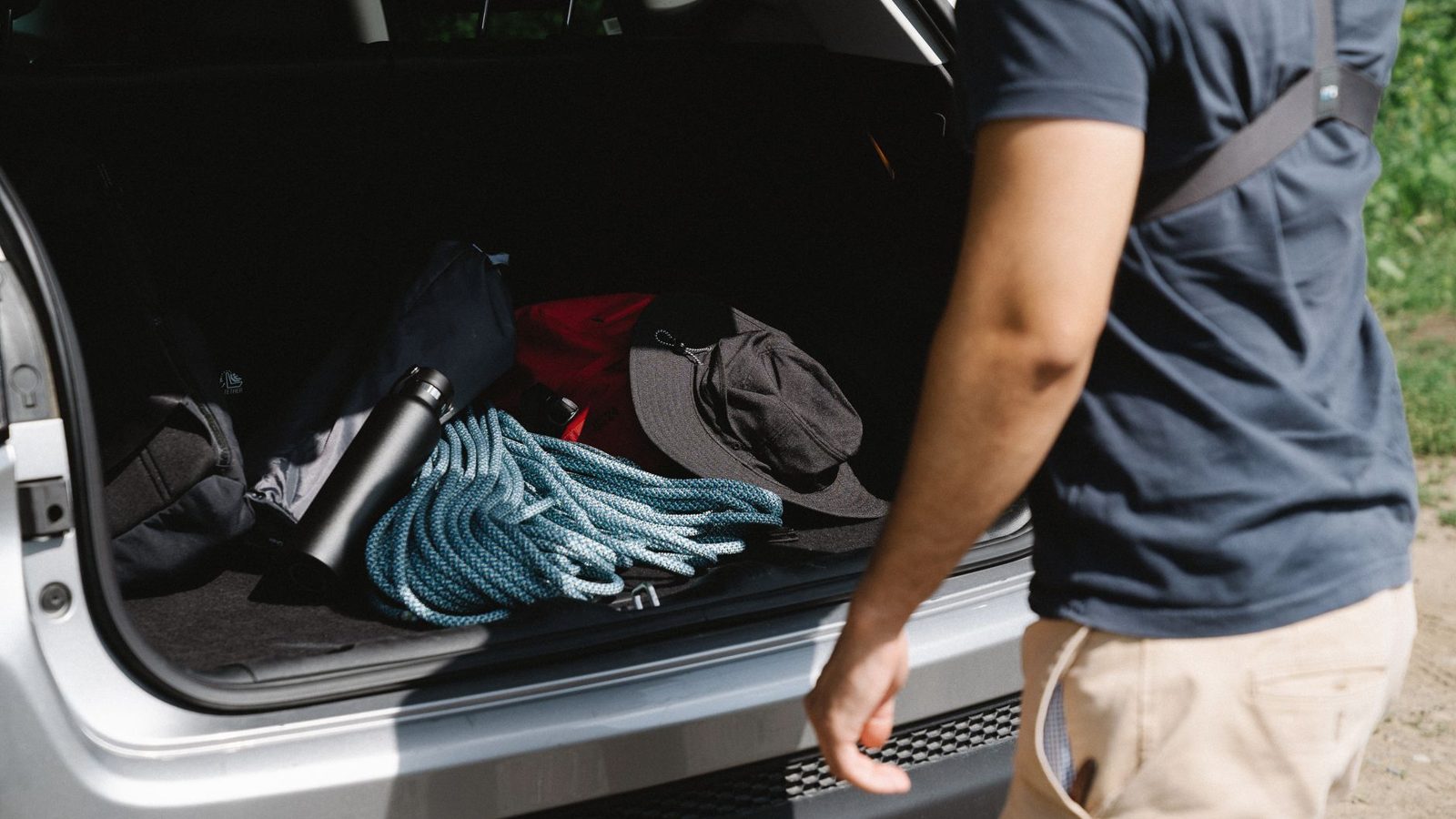
There is nothing quite like the sinking feeling of closing your minivan trunk, hearing the latch click, and realizing you forgot the coffee maker—or worse, the tent stakes. I learned that lesson the hard way three years ago, standing in a muddy parking lot in the Smokies while Junie and Margo watched the rain start to fall, wondering why Mommy was so stressed. We had the tent, but we didn’t have the stakes because I packed them in a bag I couldn’t reach without unloading the whole car. Since then, we’ve camped dozens of times, from state parks in Tennessee to roadside pull-offs in the West, and I’ve learned that the difference between a nightmare and a memory isn’t the budget; it’s the checklist.
When you are new to this, the gear aisle can be overwhelming. There are thousands of options, and the marketing promises the world. But as a single mom watching every dollar, I know that the most expensive gear isn’t always the best, and the cheapest stuff often costs you more in the long run. This guide is my honest car camping packing checklist for beginners, built on what actually works when you have two energetic girls and a tight budget.
Shelter and Sleep: Where You Spend Your Money
When you are camping with kids, your shelter is your home. It is where you eat, where you hide from the rain, and where you sleep. I cannot stress this enough: do not buy the absolute cheapest tent you see on the shelf. I bought a $40 tent once because I wanted to save money for new hiking boots. It lasted one weekend before the zippers jammed and the rainfly tore in a gust of wind. Junie cried, Margo got cold, and I spent the next morning duct-taping seams in the dark. That $40 saved me nothing; it cost me time and peace of mind.
For a family of three, a 4-person tent is the sweet spot. It gives you room to sit up, store gear inside, and not feel like you are sleeping on top of each other. You want a tent with a full rainfly, not just a “top” cover. A full rainfly goes all the way to the ground, keeping the wind and rain out.
What I’d actually buy: I grab the Coleman 4-Person Cabin Tent every time. It is not the lightest, and it is not the fanciest, but it is the one I trust. I bought mine for around $110, and it has survived three summers of Tennessee humidity and one unexpected hailstorm. The setup is simple enough that I can do it alone while the girls play nearby.
- Quick setup
- includes storage pockets
- Heavy
- not great for high winds
Sleeping bags are another area where you can save, but you have to be smart. You do not need a high-tech, $200 down bag for a weekend in June. However, you do need a bag rated for the lowest expected temperature, not the average. If the forecast says 60°F during the day but 45°F at night, buy a 35°F bag. Kids run cold when they stop moving.
What I’d actually buy: For the girls, I use cheap synthetic fill bags. They are cheaper than down, and more importantly, they still keep you warm if they get wet. Down is great, but if Junie spills juice on it or it rains inside the tent, down clumps and loses its warmth. Synthetic is the budget choice that actually survives a messy kid. I look for a bag rated for 30°F or lower, even if we are camping in summer. It costs about $35, and it fits in the trunk easily.
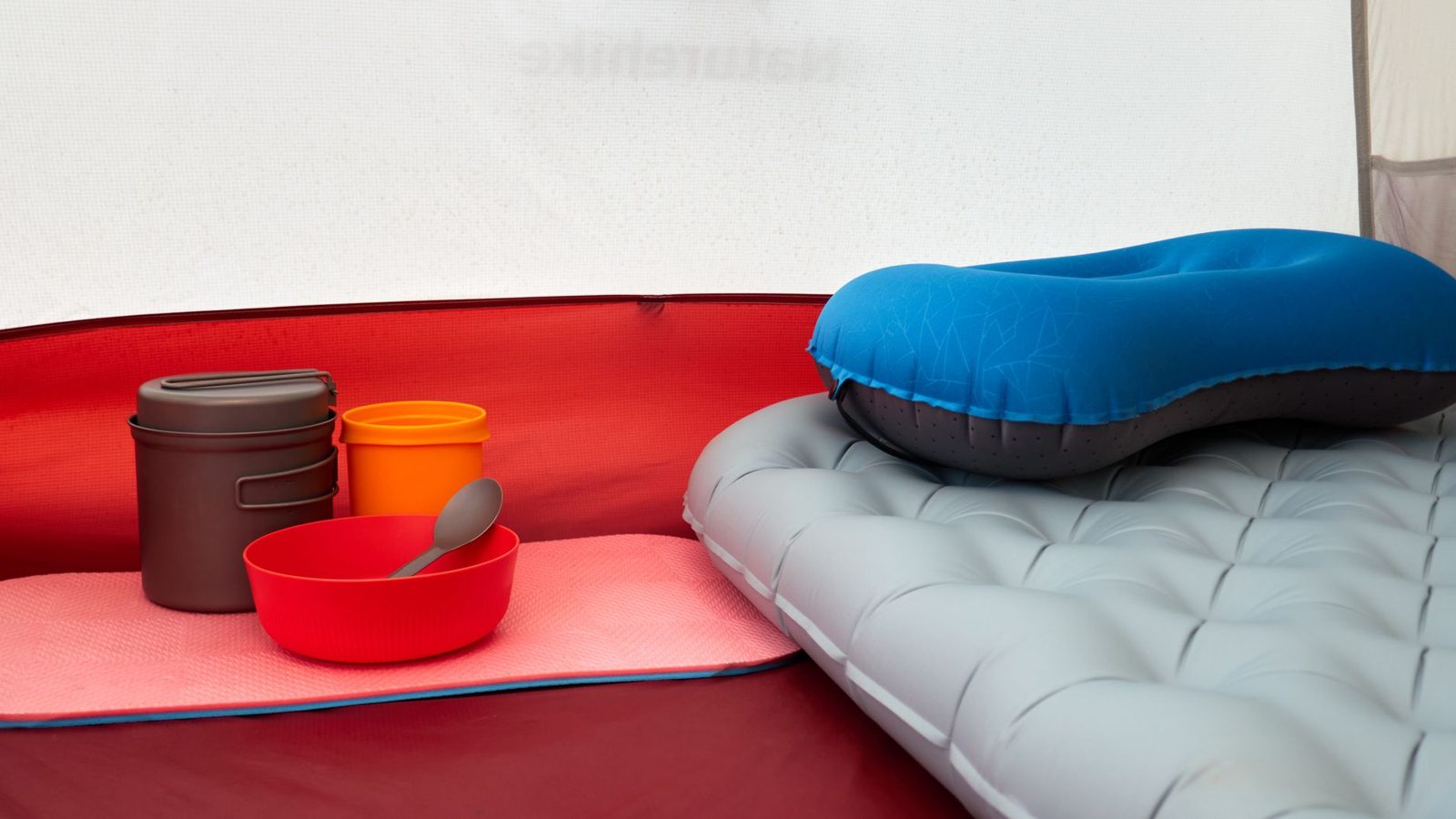
Sleeping pads are the one item I say you should splurge on. The ground sucks heat out of your body faster than the air does. A thin foam pad is better than nothing, but an inflatable pad makes a huge difference in comfort. If you are on a tight budget, look for a self-inflating pad rather than a high-tech ultralight one. They are heavier, but they are durable and comfortable enough for a family trip. I have a basic self-inflating pad that cost $40, and it has held up for years.
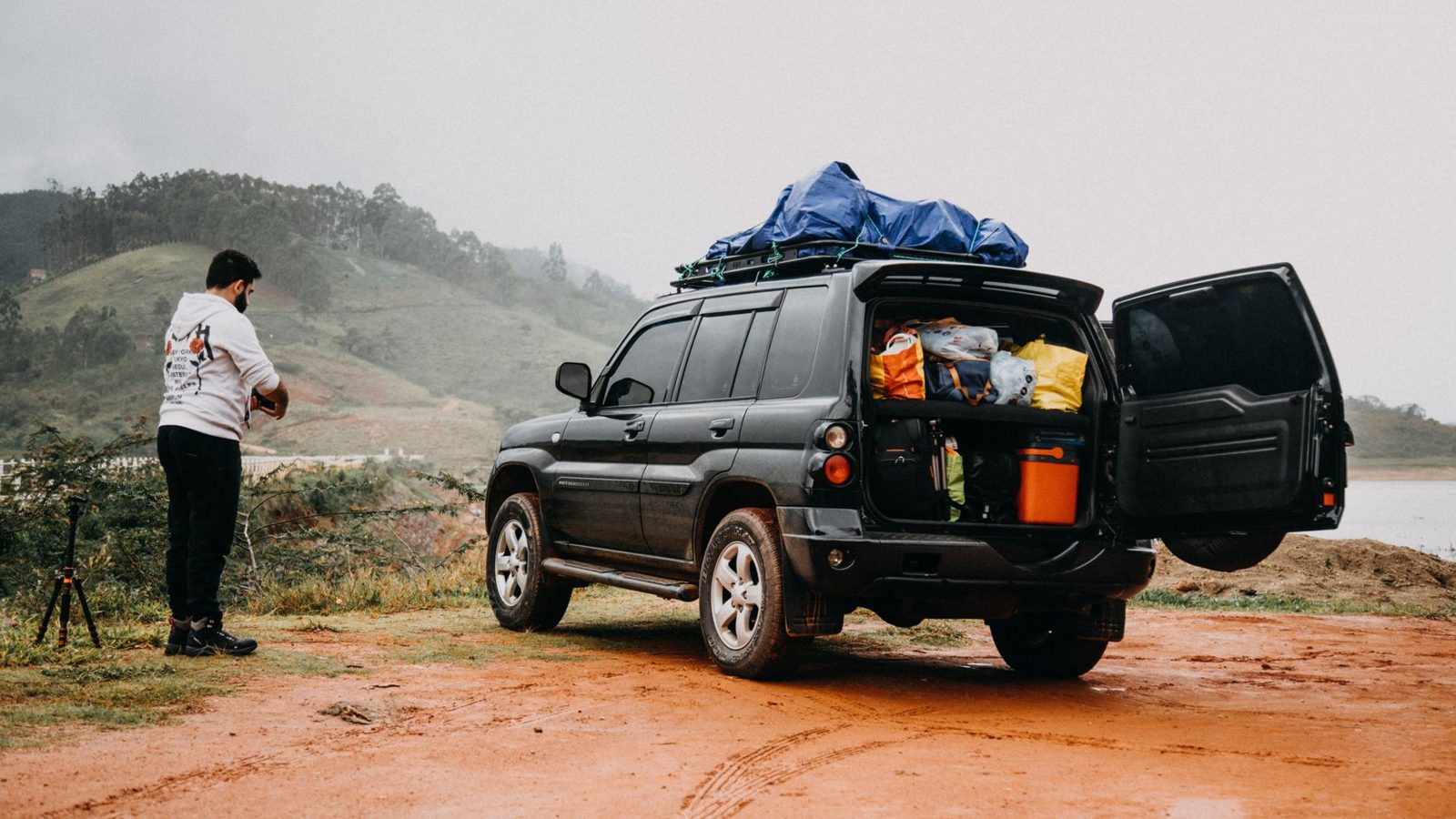 Photo: Matheus Bertelli
Kitchen and Cooking: Feeding the Crew Without the Debt
Eating out is the fastest way to blow a camping budget. One meal at a roadside diner can cost as much as three days of groceries. The key to saving money is preparation. You don’t need a full kitchen, but you do need a reliable heat source. A two-burner propane stove is the standard for a reason. It boils water fast, cooks pancakes evenly, and doesn’t rely on finding firewood.
Firewood is often sold at the campsite for $5 or $10 a bundle, which adds up. Plus, it’s a hassle to find dry wood if it has rained. A propane stove is predictable.
What I’d actually buy: I use the Coleman Classic Propane Stove. It is the workhorse of the camping world. I bought mine for ~$55, and it has cooked thousands of meals. It is wind-resistant, easy to clean, and the propane tanks are available at every gas station. I keep the stove in the car year-round so I don’t forget it.
- Wind-resistant burners
- easy to clean
- Requires propane tanks
For food storage, a cooler is essential. The “false economy” trap here is buying a cheap plastic cooler that doesn’t hold ice. If your ice melts in six hours, your milk spoils, and you have to buy expensive replacements at the gas station. Spend the extra $20 on a cooler with thicker insulation. It pays for itself in saved grocery trips.
What I’d actually buy: I skip the $200 “Yeti” style coolers. Instead, I buy a standard 40-quart cooler for about $40. It holds enough food for two days and keeps ice for 24 hours if I pack it right. I line it with frozen water bottles instead of loose ice to reduce the mess.
When it comes to dishes, skip the fancy camping mugs. I use plastic bowls and plates from the dollar store. If they break, we replace them for a dollar. For cooking, a cast-iron skillet is heavy but lasts forever. I keep one in the car year-round. It seasons itself over time and cooks everything from eggs to burgers perfectly.
Don’t forget water. If you are at a campsite with a spigot, fill up large jugs. If you are boondocking, bring at least one gallon per person per day. Water is heavy, so pack it low in the trunk to keep the car balanced.
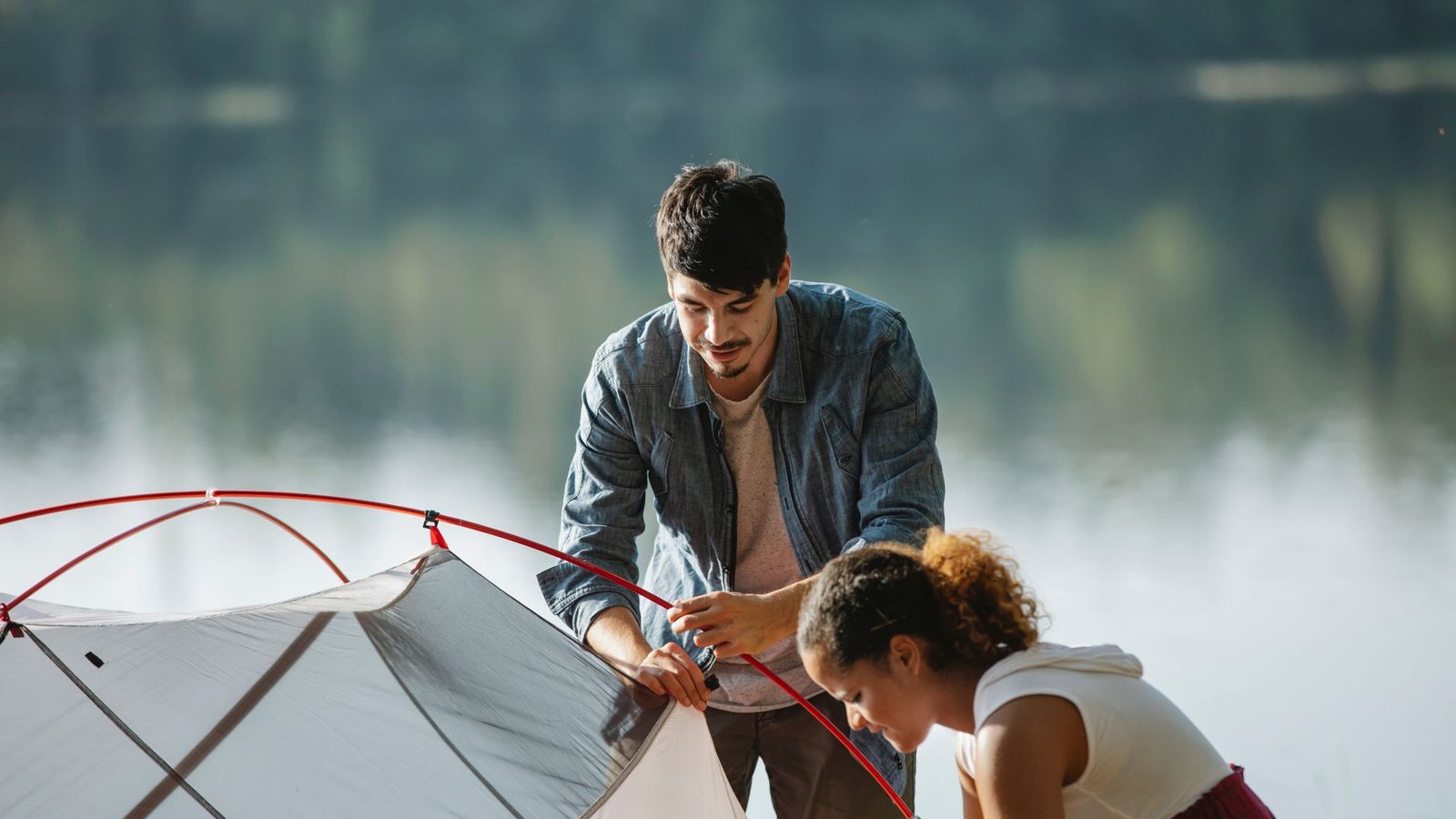 Photo: Uriel Mont
Clothing and Hygiene: Staying Clean on a Budget
You do not need a wardrobe full of technical gear. The rule of thumb is layers. A t-shirt, a long-sleeve shirt, and a fleece jacket work for almost any weather. The most important clothing item is a rain jacket. It doesn’t have to be Gore-Tex. A cheap, packable rain shell from a discount store works fine. If you get wet, you get cold. If you stay dry, you stay happy.
For shoes, wear what you have. You don’t need $150 hiking boots for car camping. Old sneakers or sturdy sandals are fine. Just make sure you have socks. Wet feet are miserable.
What I’d actually buy: For hygiene, I pack a “bath kit” for the girls. It includes a quick-dry towel, biodegradable soap, and wet wipes. Wet wipes are a single mom’s best friend. They clean hands, faces, and even feet when the water is too cold for a full wash. I buy the largest pack of wipes I can find and keep them in a sealed bag so they don’t dry out.
Toilet paper is another non-negotiable. Campsite TP is often thin and expensive. I bring my own bulk roll in a waterproof bag. Also, bring a small trowel if you are hiking off-trail, just in case the outhouse is full.
Lighting is critical. The sun sets fast, and the woods get dark. Headlamps are better than flashlights because they leave your hands free for cooking or holding a flashlight for the girls. I keep a spare set of batteries in the glove box.
What I’d actually buy: I grab a simple LED headlamp for each person. They cost about $15 each. I don’t need the ones with red lights or Bluetooth speakers. I just need bright light that stays on my head. I also keep a battery-powered lantern in the tent for when we are eating dinner inside.
- Bright
- long battery life
- Straps can stretch
Safety and Tools: The “Just in Case” Box
Safety doesn’t have to be expensive. A basic first aid kit is vital. I keep mine stocked with bandages, antiseptic wipes, and pain relievers. Kids scrape knees. They get headaches. They eat too many s’mores. A $15 kit from the pharmacy is enough.
A multi-tool is also worth the investment. It can fix a tent pole, open a can, or cut a rope. I have a basic one that cost $20 and has lasted five years.
Don’t forget a power bank for your phone. You need it for maps and emergencies. If you are in a remote area, signal can be spotty, so download offline maps before you leave home.
What I’d actually buy: I keep a small “emergency box” in the glove compartment. It contains a flashlight, a multi-tool, a first aid kit, and a list of emergency numbers. I check it every six months to make sure the batteries are fresh. It gives me peace of mind knowing that if the girls get hurt or the car breaks down, I have the basics to handle it.
Entertainment: Keeping the Girls Happy
When the girls are bored, they start fighting. When they fight, the mood sours. You need a mix of low-tech and high-tech entertainment. Books are great for quiet time. Card games like Uno or Go Fish are small and easy to pack.
Nature itself is the best entertainment. I bring a magnifying glass and a bug book. Junie loves looking at bugs, and Margo likes sketching the trees. It costs nothing and keeps them engaged for hours.
If you need a break, bring a portable speaker for music, but keep the volume low so you don’t annoy the neighbors. A frisbee or a ball is also great for burning off energy before bedtime.
Packing Order: How to Load the Van
This is the part nobody talks about, but it matters. If you pack wrong, you will spend your whole trip digging through boxes.
- Heavy and Bulky: Put the cooler, water jugs, and tent in the back. These are things you won’t need until you arrive.
- Medium Weight: Sleeping bags and pads go in the middle.
- Easy Access: Keep the first aid kit, flashlights, and a bag of snacks in the front seat or a small bin near the door. You will need these immediately upon arrival.
- The “Grab and Go” Bag: Keep a small backpack in the front with wet wipes, sunscreen, and a change of clothes. If you stop for a bathroom break, you don’t want to unload the whole car.
What I’d actually buy: I use clear plastic bins for everything. It costs about $5 per bin, but it makes finding things so much easier. I label each bin with a Sharpie: “Kitchen,” “Sleep,” “Toys.” When we arrive, I just pull out the bins I need. It saves me from unpacking the whole trunk just to find a spoon.
FAQ: Common Questions from New Campers
1. How much food should I pack for a weekend? Plan for one extra meal. If you think you need three dinners, pack four. Hunger strikes faster than you think when you are outside. I usually overpack snacks and underpack dinner ingredients. It is better to have leftovers than to run to the store in the dark.
2. What if it rains? Check the forecast, but pack for rain anyway. If it rains, you spend more time in the tent. Make sure you have enough space to sit comfortably. A tarp under the tent helps keep the floor dry.
3. Do I need to bring a chair? Yes. Sitting on the ground gets old fast. A simple folding chair is cheap and saves your back. I have two cheap chairs that fold flat. They fit in the side of the trunk.
4. Can we sleep in the car if the tent fails? Absolutely. This is why we use a 4-person tent for three people. If the tent tears, you can sleep in the back of the van with the seats folded down. It’s not as comfortable, but it keeps you dry.
5. How do I keep bugs away? Citronella candles help, but DEET spray is more effective. I apply it to the girls’ clothes, not their skin, to avoid irritation. I also bring a bug zapper for the tent porch.
6. Is it safe to camp alone with kids? Yes, if you choose a populated campground. State parks are great for beginners because there are other families around. Avoid deep wilderness for your first few trips.
A Final Word from Penny
Camping is not about having the perfect gear. It is about being outside together. When Junie and Margo were younger, we didn’t have a fancy stove or a high-end tent. We had a $50 tent and a campfire. But we had memories.
The goal of this checklist is to remove the stress so you can focus on the fun. Don’t stress about the price tag. Stress about the experience. If you forget something, you will figure it out. If you forget the coffee, you will drink tea. If you forget the tent, you will sleep in the car.
The only thing that really matters is that you show up. So pack your bag, load the van, and get out there. The country is waiting, and it doesn’t cost a dime to see it.
See you at the campsite,
Penny